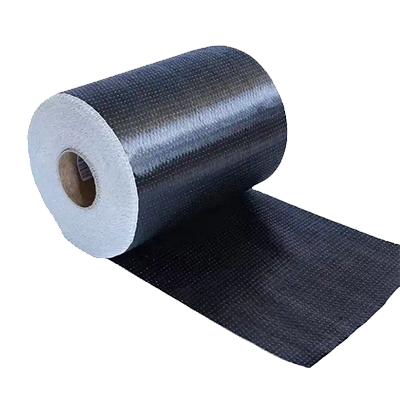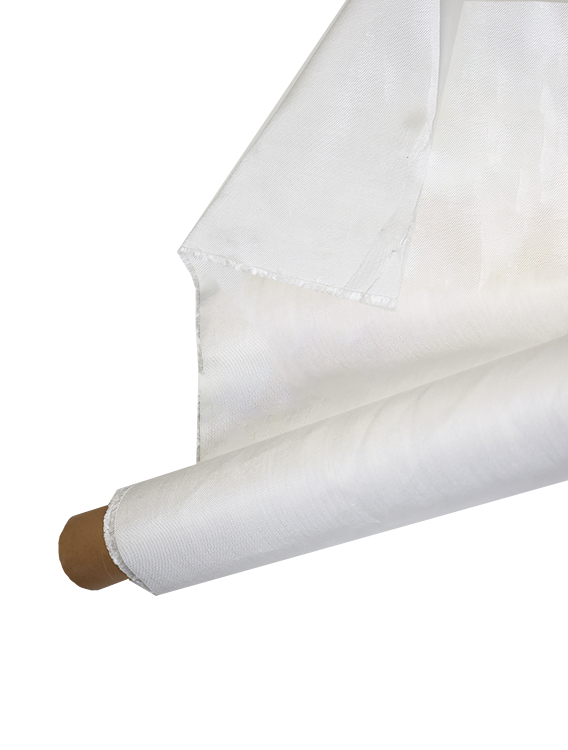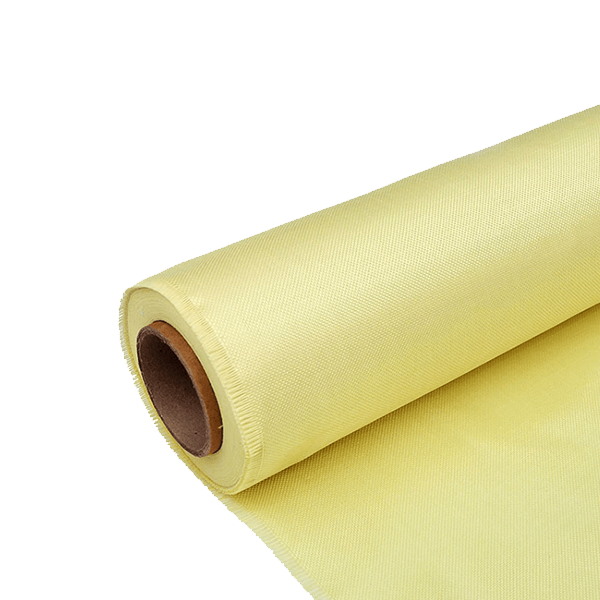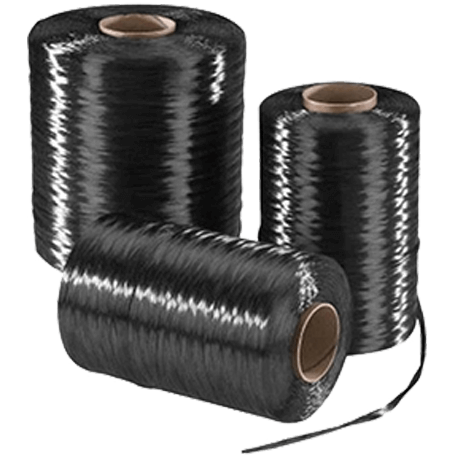
The Ultimate Guide to Carbon Fiber Fabric
Welcome to the comprehensive guide on carbon fiber fabric, a material that’s revolutionizing various industries with its unique properties. Known for its exceptional strength, lightweight, and resistance to fatigue, carbon fiber fabric is becoming a preferred choice in aerospace, sports equipment, and automotive applications.
This guide is designed to walk you through the fundamentals of carbon fiber fabric, its manufacturing process, and its applications. Whether you’re a manufacturer, engineer, or simply a enthusiast, this guide aims to provide you with a thorough understanding of this advanced material.
Key Takeaways
- Understanding the properties of carbon fiber fabric
- Exploring the manufacturing process of carbon fiber fabric
- Identifying the applications of carbon fiber fabric in various industries
- Learning about the advantages and limitations of using carbon fiber fabric
- Discovering the future prospects of carbon fiber fabric in emerging technologies
What Is Carbon Fiber Fabric?
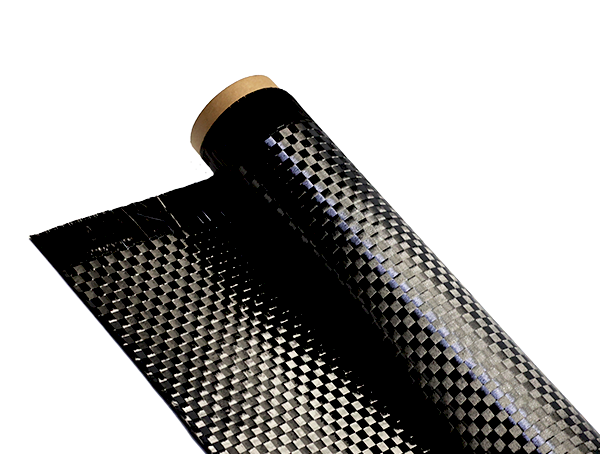
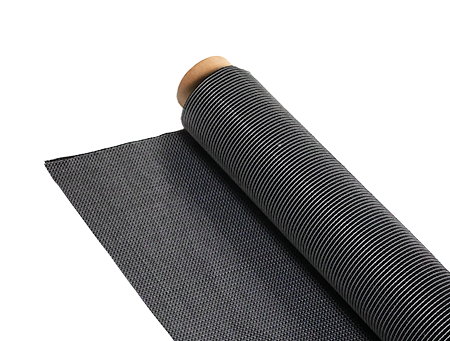
Carbon fiber fabric is a revolutionary material known for its exceptional strength and lightweight properties. It is made from thin, strong carbon fibers that are woven together to form a fabric-like material. This unique composition gives carbon fiber fabric its remarkable characteristics, making it a highly sought-after material in various industries.
The Science Behind Carbon Fiber
Carbon fiber is produced through a process involving the alignment and bonding of carbon atoms. The resulting fibers have a high strength-to-weight ratio, making them ideal for applications where weight reduction is crucial. The science behind carbon fiber involves the pyrolysis of precursor materials, typically polyacrylonitrile (PAN), to create the carbon fibers.
Different Types of Carbon Fiber Weaves
Carbon fiber fabric comes in various weave patterns, each with its own advantages. The choice of weave depends on the intended application and the desired properties of the final product.
Plain Weave
Plain weave is the most basic and common type of weave. It offers a balanced and stable structure, making it suitable for a wide range of applications.
Twill Weave
Twill weave provides a softer and more flexible fabric compared to plain weave. It is known for its diagonal pattern and is often used in applications where drape and conformability are important.
Satin Weave
Satin weave is characterized by its smooth surface and high flexibility. It is commonly used in complex shapes and applications where a high-quality finish is required.
| Weave Type | Characteristics | Applications |
|---|---|---|
| Plain Weave | Balanced, stable | General-purpose, structural components |
| Twill Weave | Soft, flexible, diagonal pattern | Aerospace, automotive, sporting goods |
| Satin Weave | Smooth surface, high flexibility | Complex shapes, high-performance applications |
The History and Evolution of Carbon Fiber Fabric
The development of carbon fiber fabric represents a fascinating journey of scientific discovery and industrial innovation. From its early beginnings to the sophisticated materials used today, carbon fiber fabric has undergone significant transformations.
Early Development and Innovations
The history of carbon fiber dates back to the late 19th century, but it wasn’t until the 1950s and 1960s that the first viable carbon fibers were produced. Initially, these fibers were used in high-temperature applications and aerospace. The early development was marked by significant challenges, including high production costs and material inconsistencies.
Modern Advancements in Carbon Fiber Technology
Recent advancements have focused on improving production efficiency and reducing costs. Techniques such as chemical vapor deposition and laser-assisted manufacturing have been developed. These innovations have expanded the applications of carbon fiber fabric beyond aerospace to automotive, sports equipment, and more.
| Year | Event | Impact |
|---|---|---|
| 1950s | First carbon fibers produced | Initial use in high-temperature applications |
| 1960s | Aerospace industry adoption | Enhanced material strength and durability |
| 2000s | Advancements in manufacturing techniques | Reduced production costs and expanded applications |
The evolution of carbon fiber fabric continues, with ongoing research into new materials and manufacturing processes. As technology advances, we can expect to see even more innovative applications of carbon fiber fabric.
Key Properties of Carbon Fiber Fabric
With its outstanding strength-to-weight ratio and other notable properties, carbon fiber fabric has revolutionized the way we design and manufacture products. This versatile material is prized for its exceptional characteristics, making it a preferred choice in various high-tech industries.
Strength-to-Weight Ratio
One of the most significant advantages of carbon fiber fabric is its exceptional strength-to-weight ratio. This property allows for the creation of lightweight yet incredibly strong structures, ideal for applications where weight reduction is critical without compromising on strength.
Thermal Properties
Carbon fiber fabric also exhibits impressive thermal properties, including high thermal stability and resistance to extreme temperatures. This makes it suitable for use in environments where materials are exposed to significant thermal fluctuations.
Electrical Conductivity
The electrical conductivity of carbon fiber fabric is another key property that contributes to its versatility. This characteristic is particularly valuable in applications requiring electromagnetic shielding or where the material needs to dissipate electrical charges.
Corrosion Resistance
Furthermore, carbon fiber fabric is known for its excellent corrosion resistance. Unlike metals, carbon fiber does not corrode or degrade when exposed to harsh environmental conditions, ensuring a long lifespan for products made from this material.
In summary, the unique combination of properties in carbon fiber fabric, including its strength-to-weight ratio, thermal properties, electrical conductivity, and corrosion resistance, makes it an invaluable material across various industries.
How Carbon Fiber Fabric Is Manufactured
Understanding how carbon fiber fabric is made requires a look into the sophisticated manufacturing process that includes multiple critical steps.
Raw Materials and Precursors
The production of carbon fiber fabric begins with the selection of raw materials, typically polyacrylonitrile (PAN) or pitch. These precursors undergo a series of chemical reactions and physical transformations to become carbon fiber.
Production Process
The production process involves several key stages:
Carbonization
During carbonization, the precursor material is heated in the absence of oxygen, causing it to transform into carbon fibers.
Weaving Techniques
The carbon fibers are then woven into fabric using various techniques, including plain weave, twill weave, and satin weave.
Quality Control Measures
To ensure the quality of the final product, manufacturers implement strict quality control measures, including:
- Inspecting the raw materials for purity and consistency
- Monitoring the production process for any defects or irregularities
- Testing the final product for strength, durability, and other relevant properties
| Quality Control Measure | Description | Importance |
|---|---|---|
| Raw Material Inspection | Checking purity and consistency of precursors | High |
| Production Process Monitoring | Identifying defects or irregularities during production | High |
| Final Product Testing | Evaluating strength, durability, and other properties | Critical |
By understanding the manufacturing process and adhering to stringent quality control measures, manufacturers can produce high-quality carbon fiber fabric that meets the demands of various industries.
Popular Applications of Carbon Fiber Fabric
The versatility of carbon fiber fabric has led to its widespread use in a range of applications, from aerospace to medical devices. Its unique combination of strength, lightness, and durability makes it an ideal material for industries where performance is critical.
Aerospace and Aviation
In the aerospace and aviation sectors, carbon fiber fabric is used to manufacture lightweight yet incredibly strong components. This reduces the overall weight of aircraft, leading to improved fuel efficiency and reduced emissions. Boeing and Airbus are among the leading aerospace companies utilizing carbon fiber fabric in their aircraft designs.
Automotive Industry
The automotive industry benefits significantly from carbon fiber fabric, particularly in the production of high-performance vehicles. Manufacturers like BMW and Mercedes-Benz use carbon fiber to create lightweight body panels, enhancing vehicle speed and efficiency.
Sporting Goods
Carbon fiber fabric is also popular in the production of sporting goods, including bicycles, golf clubs, and tennis rackets. Its lightweight and durable nature provides athletes with equipment that can improve their performance without adding unnecessary weight.
Marine Applications
In marine applications, carbon fiber fabric is used to construct boats and other watercraft. Its resistance to corrosion and ability to withstand harsh marine environments make it an ideal choice for boat builders.
Medical and Prosthetic Uses
Carbon fiber fabric is increasingly being used in medical applications, particularly in the creation of prosthetics. Its strength, durability, and lightness provide patients with comfortable and functional prosthetic limbs.
These diverse applications demonstrate the versatility and value of carbon fiber fabric across various industries. As technology continues to evolve, it’s likely that the use of carbon fiber will expand into even more areas.
Advantages of Using Carbon Fiber Fabric
Carbon fiber fabric stands out due to its impressive advantages over traditional materials, making it an ideal choice for many modern applications. Its unique combination of properties has revolutionized various industries, from aerospace to sports equipment.
Lightweight Yet Durable
One of the primary advantages of carbon fiber fabric is its exceptional strength-to-weight ratio. It is significantly lighter than steel while maintaining comparable strength. This characteristic makes it particularly valuable in applications where weight reduction is crucial, such as in aircraft and high-performance vehicles.
Resistance to Environmental Factors
Carbon fiber fabric also exhibits excellent resistance to environmental factors, including corrosion and extreme temperatures. Unlike metals, carbon fiber does not rust or corrode when exposed to moisture, enhancing its durability in harsh environments. Key benefits include:
- Corrosion resistance
- Thermal stability
- Resistance to chemical damage
Design Flexibility
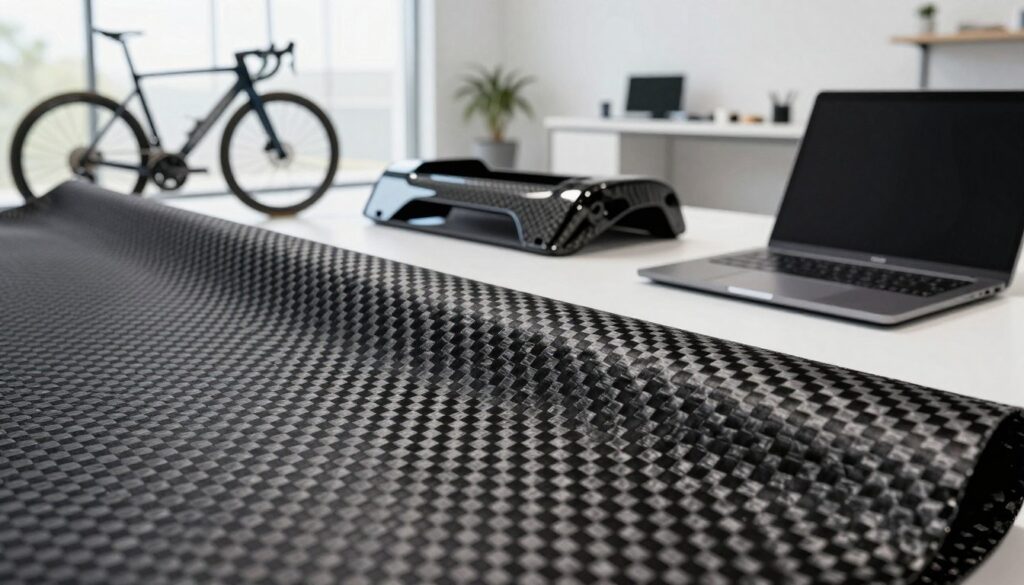
The versatility of carbon fiber fabric allows for a wide range of design possibilities. It can be woven into various patterns and combined with different resins to achieve specific properties. This design flexibility enables manufacturers to create complex shapes and structures that would be difficult or impossible with traditional materials.
Limitations and Challenges of Carbon Fiber Fabric
While carbon fiber fabric offers many benefits, it also poses certain challenges that manufacturers and consumers must consider. The unique properties of carbon fiber that make it so valuable also contribute to its limitations.
Cost Considerations
The production of carbon fiber fabric is a complex and costly process. The raw materials required, such as polyacrylonitrile (PAN), are expensive, and the manufacturing process involves multiple stages that drive up the cost. As a result, carbon fiber fabric is significantly more expensive than traditional materials like steel or aluminum.
Key cost factors include:
- High raw material costs
- Complex manufacturing processes
- Specialized labor requirements
Processing Difficulties
Carbon fiber fabric is difficult to process due to its high tensile strength and stiffness. Cutting, drilling, and shaping carbon fiber require specialized tools and techniques to avoid damaging the material. This can increase production time and costs.
Repair and Maintenance Issues
Repairing damaged carbon fiber fabric is challenging and often requires specialized skills and equipment. Unlike metals, which can be welded or easily repaired, carbon fiber repairs can be complex and costly. This can be a significant drawback for applications where damage is likely or where maintenance is a priority.
The main repair challenges include:
- Assessing the extent of damage
- Matching the original material properties
- Ensuring structural integrity post-repair
Working With Carbon Fiber Fabric: DIY Guide
Embarking on a DIY project with carbon fiber fabric can be both exciting and intimidating, but with the right guidance, you can achieve professional results.
Tools and Materials Needed
To start your DIY project, you’ll need a few essential tools and materials. These include carbon fiber fabric, a cutting tool (such as scissors or a craft knife), a resin applicator, and safety gear (like gloves and a mask).
- Carbon fiber fabric
- Cutting tool (scissors or craft knife)
- Resin applicator
- Safety gear (gloves, mask)
Step-by-Step Process
Preparing Your Workspace
Before you begin, ensure your workspace is clean, dry, and well-ventilated. Cover your work surface with a protective layer to prevent damage.
Cutting and Handling
Carefully cut your carbon fiber fabric to the required size using your chosen cutting tool. Handle the fabric gently to avoid damage or contamination.

Apply resin to the carbon fiber fabric according to the manufacturer’s instructions. Ensure even coverage to achieve the desired finish.
Curing and Finishing
Allow the resin to cure as per the instructions. Once cured, sand the surface to achieve a smooth finish.
| Step | Description | Tips |
|---|---|---|
| 1 | Prepare Workspace | Ensure clean, dry, and well-ventilated |
| 2 | Cut Carbon Fiber | Use sharp cutting tool, handle gently |
| 3 | Apply Resin | Follow manufacturer’s instructions |
| 4 | Cure and Finish | Sand to achieve smooth finish |
Safety Precautions
When working with carbon fiber fabric, it’s crucial to take safety precautions seriously. Wear protective gear, including gloves and a mask, to avoid skin contact and inhalation of dust or resin fumes.
Always work in a well-ventilated area and follow the manufacturer’s instructions for resin and other materials.
Buying Guide: How to Choose Quality Carbon Fiber Fabric
Understanding the nuances of carbon fiber fabric is essential for making informed purchasing decisions. Whether you’re a seasoned manufacturer or a DIY enthusiast, selecting the right material can significantly impact the success of your project.
Understanding Specifications and Grades
Carbon fiber fabric comes in various specifications and grades, each suited for different applications. Key specifications include:
- Weave Type: Different weaves offer varying levels of flexibility and strength.
- Tensile Strength: Measured in GPa, it indicates the material’s resistance to breaking under tension.
- Weight: Usually measured in g/m², it affects the final product’s overall weight and performance.
Understanding these specifications is crucial for choosing the right carbon fiber fabric for your needs.
Reputable Suppliers in the US
Finding a reputable supplier is as important as selecting the right material. Some well-known suppliers in the US include:
- Hexcel Corporation
- Toray Industries
- Advanced Composites Group
These suppliers are recognized for their high-quality products and reliable service.
Price Ranges and What to Expect
The price of carbon fiber fabric varies widely based on factors such as quality, quantity, and weave type. Generally, prices can range from $10 to $100 per yard, with high-performance materials costing more. It’s essential to balance your budget with the required specifications to ensure the best value for your investment.
Conclusion: The Future of Carbon Fiber Fabric
The future of carbon fiber fabric is promising, with ongoing research and development aimed at improving its properties and reducing production costs. As technology advances, we can expect to see new applications emerge, particularly in the aerospace, automotive, and renewable energy sectors.
Industry forecasts suggest that the demand for carbon fiber fabric will continue to grow, driven by the need for lightweight, high-strength materials. Emerging trends, such as the use of carbon fiber in 3D printing and the development of sustainable production methods, are expected to further boost its adoption.
As the industry continues to evolve, it’s likely that we’ll see carbon fiber fabric become even more integral to the development of innovative products and technologies. With its unique combination of strength, durability, and versatility, carbon fiber fabric is poised to shape the future of various industries, from aerospace to sports equipment.
FAQ
What is carbon fiber fabric?
Carbon fiber fabric is a lightweight, high-strength material made from carbon fibers, which are woven together to form a fabric.
What are the different types of carbon fiber weaves?
The most common types of carbon fiber weaves are plain weave, twill weave, and satin weave, each with its own unique characteristics and applications.
How is carbon fiber fabric manufactured?
Carbon fiber fabric is manufactured through a process involving the production of carbon fibers, which are then woven into a fabric using various techniques.
What are the key properties of carbon fiber fabric?
Carbon fiber fabric is known for its high strength-to-weight ratio, thermal properties, electrical conductivity, and corrosion resistance, making it a versatile material for various applications.
What are the advantages of using carbon fiber fabric?
The advantages of using carbon fiber fabric include its lightweight yet durable nature, resistance to environmental factors, and design flexibility, making it an ideal material for various industries.
What are the limitations and challenges of working with carbon fiber fabric?
The limitations and challenges of working with carbon fiber fabric include high costs, processing difficulties, and repair and maintenance issues, which can be addressed with proper techniques and precautions.
How do I choose quality carbon fiber fabric?
To choose quality carbon fiber fabric, it’s essential to understand specifications and grades, find reputable suppliers, and be aware of price ranges and what to expect.
What safety precautions should I take when working with carbon fiber fabric?
When working with carbon fiber fabric, it’s crucial to take safety precautions, including wearing protective gear, working in a well-ventilated area, and following proper handling and disposal procedures.
What are the popular applications of carbon fiber fabric?
Carbon fiber fabric is used in various industries, including aerospace and aviation, automotive, sporting goods, marine, and medical and prosthetic applications, due to its unique properties and benefits.
Can I use carbon fiber fabric for DIY projects?
Yes, carbon fiber fabric can be used for DIY projects, and with the right tools, materials, and safety precautions, you can create a variety of innovative and functional projects.

Keep up with Impact news!
Stay informed, stay inspired with our new blogs.