Carbon Fiber vs. Fiberglass: Which Material is Best for Your Project? (2025 Guide)
When selecting high-performance materials for industrial, automotive, or aerospace applications, the debate often centers on two heavyweights: Carbon Fiber and Fiberglass.
Both are fiber-reinforced polymers (FRP), but they offer vastly different physical properties, price points, and performance outcomes. In this 2025 updated comparison, we break down the critical differences to help you decide which material will optimize your project’s ROI.
1. Strength-to-Weight Ratio: The Clear Winner
One of the most frequent questions engineers ask is: Is carbon fiber actually stronger than fiberglass?
- Carbon Fiber: Known for its incredible tensile strength. It is roughly 2x stronger and 5x stiffer than steel, yet weighs about 70% less. Compared to fiberglass, carbon fiber is significantly lighter while offering superior rigidity.
- Fiberglass: While strong, fiberglass has a lower "modulus" (stiffness). It is heavier than carbon fiber for the same level of strength.
The Verdict: If weight reduction is your primary KPI (e.g., aerospace or EV components), Carbon Fiber is the undisputed choice.
2. Rigidity vs. Flexibility
The "Modulus of Elasticity" is where these two materials diverge the most.
- Carbon Fiber (High Stiffness): Carbon fiber reinforced polymer (CFRP) is extremely rigid. It does not stretch or flex easily. This makes it ideal for precision components that must maintain their shape under heavy loads.
- Fiberglass (High Flexibility): Fiberglass is more "forgiving." It can flex significantly without breaking or losing its structural integrity. This is why it is preferred for products like spring poles, boat hulls, and wind turbine blades that must endure constant vibration and impact.
3. Comparative Analysis: At a Glance (2025 Data)
| Feature | Carbon Fiber (CFRP) | Fiberglass (GFRP) |
|---|---|---|
| Weight | Ultra-Lightweight | Moderate |
| Tensile Strength | Extremely High | High |
| Stiffness (Modulus) | Excellent (Rigid) | Moderate (Flexible) |
| Durability/Fatigue | Outstanding | Good |
| Electrical Conductivity | Conductive | Insulator (Non-conductive) |
| Cost (USD) | Premium / Higher | Budget-friendly / Lower |
4. Electrical and Thermal Conductivity
This is a critical safety and functional consideration for electronics and industrial housing.
- Fiberglass is an Insulator: It does not conduct electricity and is transparent to radio waves. This makes it the standard for circuit boards (FR4), antenna covers, and electrical enclosures.
- Carbon Fiber is Conductive: It conducts electricity and can shield RFI/EMI. While great for electromagnetic shielding, it must be handled carefully in electrical environments to prevent short circuits.
5. Cost Considerations: Budget vs. Performance
In 2025, although carbon fiber manufacturing efficiency has improved, fiberglass remains the more cost-effective solution for mass-market applications.
- Choose Fiberglass if: You are working on high-volume production where extreme weight savings aren't critical, such as storage tanks, standard piping, or architectural panels.
- Choose Carbon Fiber if: The cost of the material is offset by the performance gains—such as fuel savings in transport, higher speed in robotics, or extreme durability in medical imaging.
6. Thermal Expansion and Heat Resistance
- Carbon Fiber has a near-zero Coefficient of Thermal Expansion (CTE). When the temperature rises, carbon fiber does not expand significantly. This makes it vital for high-precision optical equipment and aerospace parts.
- Fiberglass has a higher CTE, meaning it will expand and contract more with temperature fluctuations.
Conclusion: Which Should You Choose?
Choose Carbon Fiber if your project requires:
- Minimum weight and maximum stiffness.
- High fatigue resistance for long-cycle parts.
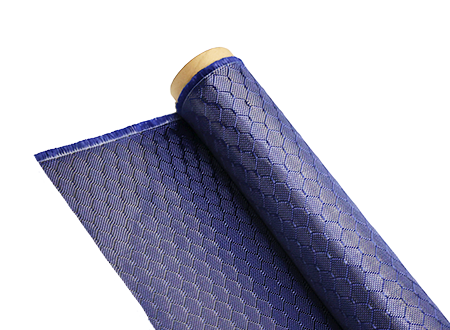
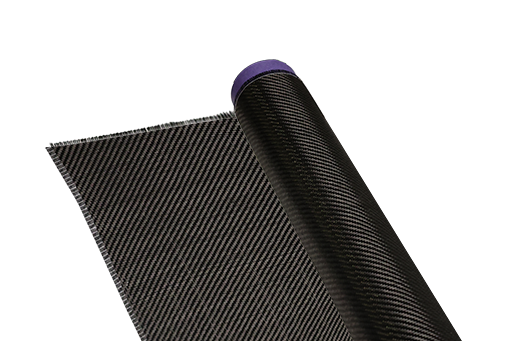
- Premium aesthetic (the iconic carbon weave).
- High-precision stability under temperature changes.
Choose Fiberglass if your project requires:
- Cost-efficiency for large-scale production.
- Electrical insulation.
- Flexibility to absorb impacts without shattering.
- Radio-frequency transparency.
Need High-Performance Carbon Fiber Solutions?
At ictfibers, we specialize in high-grade carbon fiber fabrics and composites tailored for the most demanding industries. Whether you need 3K, 12K, or custom prepreg solutions, our team is here to help you optimize your material selection.
Contact our engineers today for a technical consultation or a bulk quote.

Keep up with Impact news!
Stay informed, stay inspired with our new blogs.