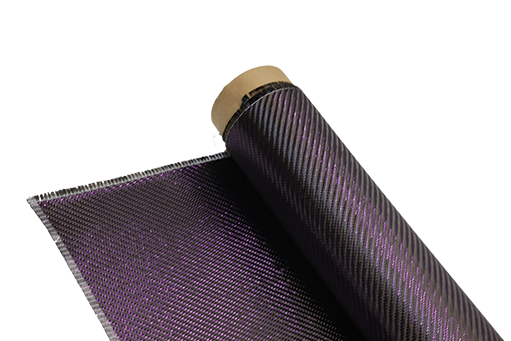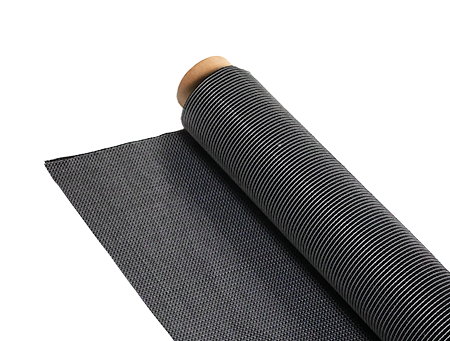
UHMWPE: The Ultimate High-Performance Plastic
Ultra-high molecular weight polyethylene, commonly referred to as a high-performance plastic, is revolutionizing various industries with its exceptional properties.
This advanced material is known for its outstanding wear resistance and impact strength, making it an ideal choice for applications where durability is paramount.
With its unique characteristics, UHMWPE is being utilized in a wide range of fields, from industrial manufacturing to medical devices, offering a versatile solution for complex engineering challenges.
Key Takeaways
- UHMWPE is a high-performance plastic with exceptional wear resistance.
- It offers outstanding impact strength, ideal for demanding applications.
- UHMWPE is versatile, used in industrial manufacturing and medical devices.
- Its unique properties make it a preferred choice for complex engineering challenges.
- UHMWPE’s durability is revolutionizing various industries.
What is UHMWPE? Understanding the Super Plastic
Ultra-high molecular weight polyethylene, commonly abbreviated as UHMWPE, represents a class of plastics that offer remarkable strength and durability. This high-performance material has been gaining attention across various industries due to its exceptional properties.
Definition and Basic Composition
UHMWPE is defined by its extremely high molecular weight, typically exceeding 3 million g/mol. This characteristic contributes to its outstanding mechanical properties, including high impact strength, excellent wear resistance, and superior chemical resistance. The basic composition of UHMWPE involves long chains of polyethylene molecules, which are synthesized through a process known as gel spinning or compression molding.
The chemical structure of UHMWPE is similar to that of other types of polyethylene, consisting of repeating ethylene units. However, the much longer molecular chains in UHMWPE result in a material that is significantly more durable and resistant to degradation.
| Property | UHMWPE | Standard Polyethylene |
|---|---|---|
| Molecular Weight (g/mol) | >3,000,000 | 50,000 – 500,000 |
| Impact Strength | High | Moderate |
| Chemical Resistance | Excellent | Good |
Key Molecular Characteristics
The molecular characteristics of UHMWPE play a crucial role in its performance. The long molecular chains provide excellent entanglement, contributing to the material’s high toughness and resistance to wear. Additionally, the high crystallinity of UHMWPE enhances its mechanical properties and chemical resistance.
Understanding the molecular characteristics of UHMWPE is essential for appreciating its potential applications and benefits in various industries.
The Remarkable Properties of UHMWPE
UHMWPE stands out in the world of plastics due to its extraordinary properties. This high-performance plastic is engineered to deliver exceptional performance across various demanding applications. Its unique combination of characteristics makes it an ideal material for industries that require durability, resistance, and reliability.
Exceptional Strength-to-Weight Ratio
One of the standout features of UHMWPE is its exceptional strength-to-weight ratio. This means it offers high tensile strength while being relatively lightweight, making it an attractive option for applications where both strength and mobility are crucial. As noted by industry experts, “The high strength-to-weight ratio of UHMWPE makes it an ideal material for applications where energy efficiency is a priority.”
Chemical Resistance Capabilities
UHMWPE also boasts impressive chemical resistance capabilities. It is highly resistant to a wide range of chemicals, including corrosive substances, making it suitable for use in harsh environments. This property extends the lifespan of equipment and reduces maintenance costs. A study highlighted that “UHMWPE’s chemical inertness makes it a preferred choice for applications in chemical processing industries.”
Wear and Abrasion Resistance
Another significant advantage of UHMWPE is its outstanding wear and abrasion resistance. It can withstand harsh conditions and maintain its integrity over time, reducing the need for frequent replacements. This property is particularly valuable in industrial applications where equipment is subject to constant wear and tear. As quoted, “The wear resistance of UHMWPE is one of its most compelling attributes, making it a staple in demanding industrial environments.”
In summary, the remarkable properties of UHMWPE, including its strength-to-weight ratio, chemical resistance, and wear resistance, make it a highly versatile and valuable material for various industrial applications.
The Evolution and History of UHMWPE
The evolution of UHMWPE is a testament to human ingenuity and the quest for creating high-performance materials. Understanding its history provides valuable insights into its current applications and future potential.
Discovery and Early Development
UHMWPE was first discovered in the 1950s by a team of scientists at Ruhrchemie AG, a German chemical company. Initially, the material was difficult to process due to its high molecular weight, which made it challenging to melt and form. However, as research continued, new manufacturing techniques were developed to overcome these challenges.
The early development of UHMWPE focused on improving its processing capabilities, leading to the introduction of new technologies that enhanced its properties.
Major Milestones in UHMWPE Technology
Significant advancements in UHMWPE technology have been achieved over the years, including the development of gel spinning techniques for producing high-strength fibers. Another milestone was the introduction of compression molding and ram extrusion methods, which improved the material’s processing and expanded its applications.
These advancements have positioned UHMWPE as a critical material in various industries, from medical devices to ballistic protection.
Manufacturing Processes of UHMWPE
Manufacturing UHMWPE requires specialized processes to achieve its exceptional properties. The production techniques used play a crucial role in determining the final product’s characteristics and performance.
Compression Molding Techniques
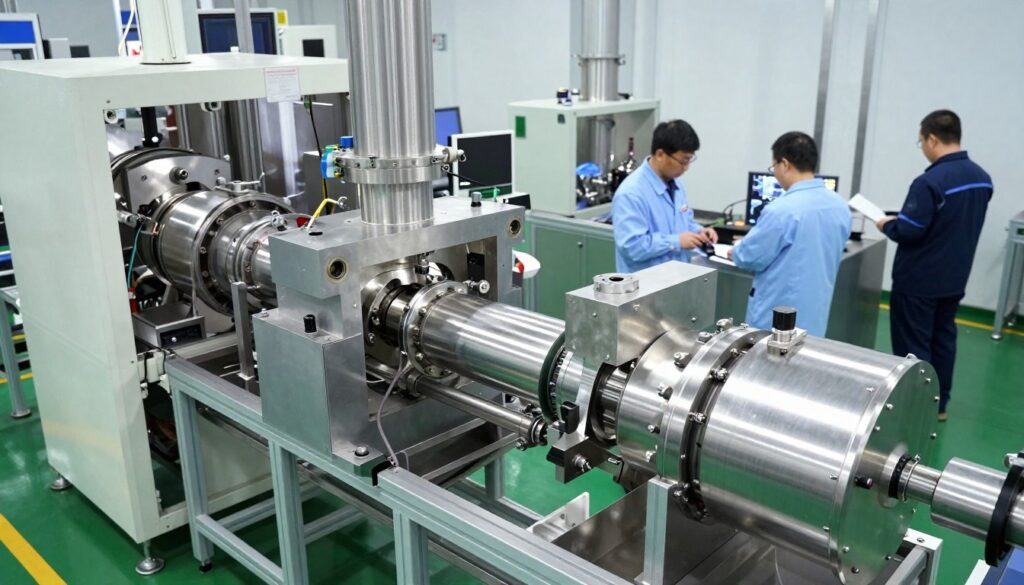
Compression molding is a widely used method for producing UHMWPE components. This process involves compressing the UHMWPE powder into a mold under high pressure and temperature. The result is a product with excellent dimensional stability and minimal shrinkage.
Ram Extrusion Methods
Ram extrusion is another significant manufacturing process for UHMWPE. This technique involves forcing the UHMWPE material through a die to create continuous shapes such as rods and sheets. Ram extrusion allows for the production of long, consistent profiles with precise dimensions.
Gel Spinning for Fiber Production
Gel spinning is a specialized technique used to produce high-performance UHMWPE fibers. This process involves dissolving the UHMWPE in a solvent to create a gel-like substance, which is then extruded through a spinneret. The resulting fibers have exceptional strength-to-weight ratios, making them ideal for applications requiring high tensile strength.
The choice of manufacturing process depends on the intended application of the UHMWPE product, whether it’s for industrial components, medical devices, or high-performance fibers.
UHMWPE in Industrial Applications
Industrial applications of UHMWPE are diverse, leveraging its strength and chemical resistance. This versatility makes it an ideal material for various industries, including material handling, food processing, and chemical processing.
Material Handling and Mining Equipment
UHMWPE is widely used in material handling and mining equipment due to its exceptional wear resistance and low friction coefficient. Components such as conveyor liners, chute linings, and wear strips benefit from UHMWPE’s durability, reducing maintenance costs and increasing operational efficiency. For instance, mining companies use UHMWPE liners to protect equipment from abrasive materials, thereby extending the lifespan of the machinery.
Food Processing Industry Uses
In the food processing industry, UHMWPE is valued for its non-toxicity and ease of cleaning. It is used in manufacturing components like conveyor belts, guides, and wear strips that come into contact with food. The material’s chemical resistance ensures that it remains unaffected by cleaning agents, maintaining hygiene standards. Food processing equipment made with UHMWPE is durable and resistant to wear, reducing downtime and improving productivity.
Chemical Processing Applications
UHMWPE’s chemical resistance makes it an excellent choice for chemical processing applications. It is used in the manufacture of components such as tank linings, valve seats, and seals that are exposed to corrosive chemicals. The material’s resistance to chemicals ensures the integrity of the equipment, preventing leaks and contamination. A comparative analysis of materials used in chemical processing is shown in the table below:
| Material | Chemical Resistance | Abrasion Resistance |
|---|---|---|
| UHMWPE | Excellent | Excellent |
| Stainless Steel | Good | Fair |
| Rubber | Fair | Good |
As shown in the table, UHMWPE outperforms other materials in both chemical and abrasion resistance, making it a preferred choice for demanding industrial applications.
Medical and Healthcare Applications
UHMWPE’s biocompatibility and durability make it ideal for medical applications. Its unique properties have led to significant advancements in healthcare, particularly in orthopedic and surgical fields.
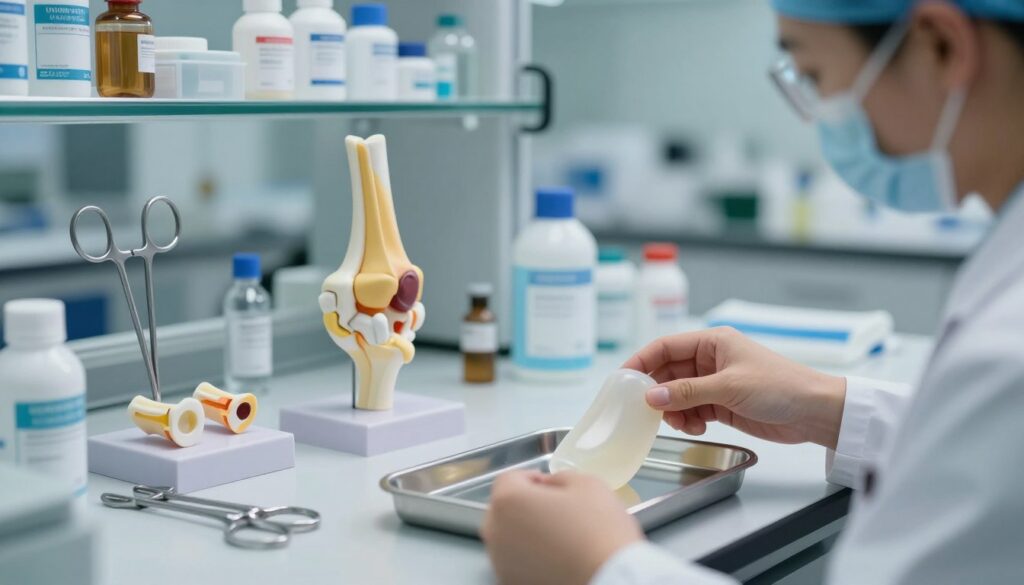
Joint Replacement Components are one of the most significant applications of UHMWPE in medicine. It is used in hip, knee, and other joint replacements due to its exceptional wear resistance and ability to reduce friction. This results in longer-lasting implants and improved patient mobility. For instance, UHMWPE’s use in acetabular cups for total hip replacements has shown remarkable durability and biocompatibility.
Joint Replacement Components
UHMWPE’s role in joint replacement is critical due to its mechanical properties. It withstands significant stress and strain, making it suitable for load-bearing applications. The material’s resistance to wear ensures that implants remain functional for extended periods, reducing the need for revision surgeries.
Medical Devices and Equipment
Beyond joint replacement, UHMWPE is used in various medical devices and equipment. Its chemical resistance and durability make it suitable for surgical instruments, implantable devices, and other medical hardware. For example, UHMWPE is used in some surgical meshes and implantable scaffolds due to its biocompatibility and structural integrity.
The versatility of UHMWPE in medical applications continues to drive innovation in healthcare. As research advances, we can expect to see even more sophisticated uses of this remarkable material in medical technology.
Ballistic and Protective Uses of UHMWPE
In the realm of ballistic protection, UHMWPE stands out due to its unique combination of high strength, low weight, and energy absorption capabilities. This makes it an ideal material for a wide range of protective applications, from personal body armor to vehicle and structural armor systems.
Body Armor and Personal Protection
UHMWPE is widely used in the production of body armor, including ballistic vests and helmets, due to its exceptional ability to absorb and dissipate the energy from ballistic impacts. The material’s high strength-to-weight ratio allows for the creation of lightweight, yet highly effective, personal protective equipment. This is particularly crucial for law enforcement and military personnel who require protection without compromising their mobility.
Vehicle and Structural Armor Systems
Beyond personal protection, UHMWPE is also utilized in the manufacture of armor systems for vehicles and structures. Its ability to absorb and distribute the force of impact makes it an effective material for enhancing the survivability of vehicles and buildings in high-threat environments. The use of UHMWPE in these applications not only improves safety but also contributes to the development of more versatile and efficient armor solutions.
The versatility and performance of UHMWPE in ballistic and protective applications underscore its value as a material in enhancing safety and protection across various sectors.
Sports and Marine Applications
UHMWPE is utilized in demanding environments, including sports and marine sectors, where its exceptional properties provide significant advantages. Its high strength-to-weight ratio, resistance to abrasion, and low friction make it an ideal material for various applications.
High-Performance Sports Equipment
In the sports industry, UHMWPE is used to manufacture high-performance equipment. Its exceptional durability and resistance to wear make it suitable for components that are subject to high stress and friction. For instance, UHMWPE is used in:
- Ski bottoms and other winter sports equipment for reduced friction and increased durability.
- Artificial joints and other parts in prosthetic limbs, enhancing the quality of life for athletes with prosthetics.
- Sports gear that requires high strength and low weight, such as bicycle components.
Marine Ropes, Cables, and Components
The marine industry benefits from UHMWPE’s high strength and resistance to abrasion. It is used in the production of:
- Marine ropes and cables that are lightweight, strong, and resistant to degradation from saltwater and UV exposure.
- Components for sailing and other marine equipment, where low friction and durability are crucial.
These applications demonstrate the versatility and value of UHMWPE in challenging environments.
Limitations and Challenges of UHMWPE
Despite its numerous advantages, UHMWPE presents several challenges that need to be addressed for optimal application. Understanding these limitations is crucial for maximizing the benefits of using UHMWPE in various industries.
Processing Difficulties
One of the significant challenges associated with UHMWPE is its processing. Due to its high molecular weight, UHMWPE has a high melt viscosity, making it difficult to process using conventional methods like injection molding or extrusion. Specialized techniques such as compression molding or ram extrusion are often required.
Temperature Limitations
UHMWPE also has temperature limitations that affect its performance. It begins to lose its mechanical properties at temperatures above 80°C (176°F), which can limit its use in high-temperature applications. Moreover, its performance at very low temperatures can also be a concern due to potential embrittlement.
Surface Bonding Issues
Another challenge with UHMWPE is its surface bonding. Due to its low surface energy, UHMWPE is difficult to bond with adhesives or other materials, which can complicate its use in composite structures or when it needs to be attached to other components.
The challenges associated with UHMWPE can be summarized in the following table:
| Challenge | Description | Impact |
|---|---|---|
| Processing Difficulties | High melt viscosity due to high molecular weight | Requires specialized processing techniques |
| Temperature Limitations | Loss of mechanical properties above 80°C | Limits use in high-temperature applications |
| Surface Bonding Issues | Difficulty in bonding due to low surface energy | Complicates use in composite structures |
Conclusion: The Future of UHMWPE Innovation
UHMWPE has established itself as a high-performance plastic with a wide range of applications across various industries. Its exceptional strength-to-weight ratio, chemical resistance, and wear resistance make it an ideal material for demanding environments.
Ongoing research and innovation are expected to further expand the applications of UHMWPE. Advances in manufacturing processes, such as improved compression molding and gel spinning techniques, are likely to enhance the material’s properties and open up new opportunities for its use.
The future of UHMWPE looks promising, with potential innovations in areas like medical devices, ballistic protection, and industrial applications. As research continues to push the boundaries of what is possible with UHMWPE, its impact across various industries is likely to grow, driving progress and innovation.
FAQ
What does UHMWPE stand for?
UHMWPE stands for Ultra-High Molecular Weight Polyethylene, a type of plastic known for its exceptional strength and durability.
What are the key properties of UHMWPE?
UHMWPE is characterized by its high strength-to-weight ratio, chemical resistance, and wear resistance, making it suitable for demanding industrial applications.
How is UHMWPE manufactured?
UHMWPE is manufactured through various processes, including compression molding, ram extrusion, and gel spinning, each suited to different applications.
What are the industrial applications of UHMWPE?
UHMWPE is used in material handling, mining, food processing, and chemical processing industries due to its wear resistance and chemical resistance.
Is UHMWPE used in medical applications?
Yes, UHMWPE is used in medical applications, particularly in joint replacement components and other medical devices, due to its biocompatibility and wear resistance.
Can UHMWPE be used for ballistic protection?
Yes, UHMWPE is used in ballistic and protective applications, including body armor and vehicle armor systems, due to its high strength-to-weight ratio and energy absorption capabilities.
What are the limitations of UHMWPE?
UHMWPE has limitations, including processing difficulties, temperature limitations, and surface bonding issues, which need to be considered for optimal use.
How is UHMWPE used in sports and marine applications?
UHMWPE is used in high-performance sports equipment and marine ropes, cables, and components due to its low friction, resistance to abrasion, and high strength.
What is the history of UHMWPE development?
UHMWPE was discovered and developed over time, with significant advancements in its technology, leading to its current applications and future potential.
What is the future of UHMWPE innovation?
Ongoing research and potential innovations are expected to further expand the applications of UHMWPE, driving its continued impact across various industries.

Keep up with Impact news!
Stay informed, stay inspired with our new blogs.