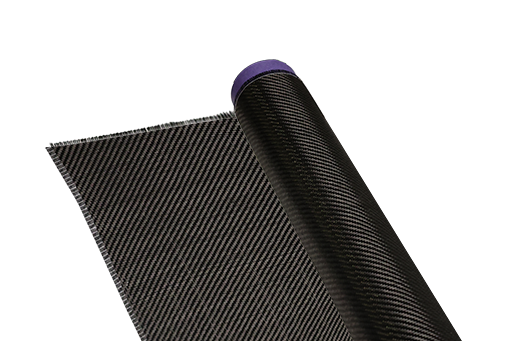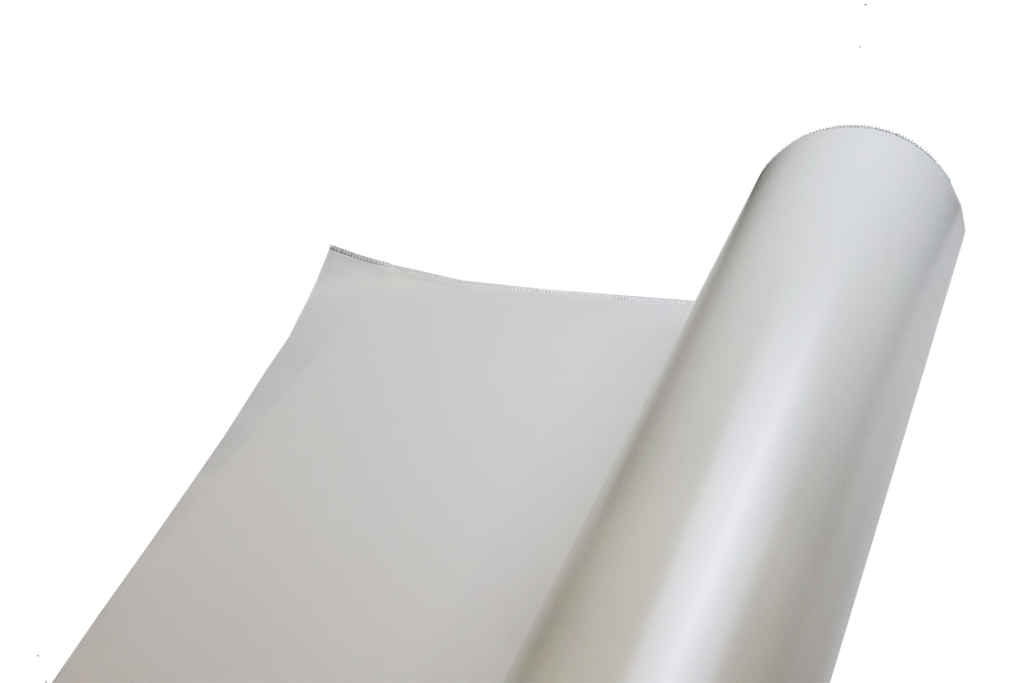
UHMWPE Fabric: The Ultimate in Protective Textiles
When it comes to protective textiles, Ultra-High-Molecular-Weight Polyethylene stands out for its exceptional strength and durability. UHMWPE fabric is engineered to provide superior protection against various threats, making it a critical component in numerous applications.
This advanced material is used in a wide range of industries, from military and law enforcement to sports and outdoor gear. Its lightweight and flexible nature, combined with its high level of protection, makes it an ideal choice for cutting-edge protective gear.
Key Takeaways
- UHMWPE fabric offers exceptional strength and durability.
- It is used in various protective textiles applications.
- The material provides superior protection against multiple threats.
- Its lightweight and flexible nature makes it ideal for advanced protective gear.
- UHMWPE is a critical component in military, law enforcement, and sports industries.
What is UHMWPE Fabric?
Understanding UHMWPE fabric begins with exploring its unique molecular structure and properties. UHMWPE, or Ultra-High-Molecular-Weight Polyethylene, is a type of polyethylene with an extremely high molecular weight, typically above 1 million g/mol. This characteristic gives UHMWPE its exceptional strength, durability, and resistance to various forms of degradation.
The Science Behind Ultra-High-Molecular-Weight Polyethylene
The science behind UHMWPE lies in its molecular structure. The long chains of polyethylene molecules are aligned in a specific manner, creating a highly crystalline structure that contributes to its outstanding mechanical properties. This alignment is crucial for achieving the high strength-to-weight ratio that UHMWPE is known for. The gel-spinning process used to manufacture UHMWPE fibers further enhances their tensile strength and resistance to impact.
Key Properties and Characteristics
UHMWPE fabric is characterized by several key properties that make it ideal for protective applications. These include:
- Exceptional tensile strength
- High resistance to abrasion and impact
- Low density, contributing to its high strength-to-weight ratio
- Chemical resistance, including resistance to UV degradation
| Property | UHMWPE | Other High-Performance Fibers |
|---|---|---|
| Tensile Strength | High | Variable |
| Abrasion Resistance | Excellent | Good |
| Density | Low | Variable |
Historical Development of Protective Textiles
The development of UHMWPE fabric is part of a broader history of advancements in protective textiles. From early uses of natural fibers to the modern application of high-performance synthetic fibers, protective textiles have evolved significantly. The introduction of UHMWPE marked a significant milestone, offering unprecedented levels of protection without the bulk associated with earlier materials. Today, UHMWPE is used in a wide range of applications, from military and law enforcement to industrial and recreational uses.
The Manufacturing Process of UHMWPE Fabric
To produce UHMWPE fabric, manufacturers rely on advanced polymer science and precise gel spinning techniques. This complex process is what gives UHMWPE its exceptional strength and durability.
Raw Materials and Polymer Science
The journey of creating UHMWPE fabric begins with the synthesis of ultra-high-molecular-weight polyethylene. This involves combining ethylene monomers into long, linear chains, resulting in a material with a molecular weight typically exceeding 3 million g/mol. The polymerization process is critical, as it determines the final properties of the fabric.
Gel Spinning Technology
Gel spinning is a crucial step in the production of UHMWPE fibers. This process involves dissolving the UHMWPE powder in a solvent to create a gel-like substance, which is then extruded through a spinneret to form fibers. The gel spinning technology allows for the alignment of the polymer chains, contributing to the fabric’s high strength-to-weight ratio.
Quality Control and Testing Standards
To ensure the reliability and performance of UHMWPE fabric, manufacturers implement stringent quality control measures. These include testing for tensile strength, cut resistance, and other mechanical properties. Compliance with international standards is also a key aspect of the quality control process, guaranteeing that the final product meets the required specifications.
Superior Properties of UHMWPE Fabric
With its unique combination of strength, durability, and resistance, UHMWPE fabric is revolutionizing the field of protective materials. This advanced textile offers a range of benefits that make it an ideal choice for various applications, from military and law enforcement to industrial and recreational uses.
Exceptional Strength-to-Weight Ratio
One of the standout features of UHMWPE fabric is its exceptional strength-to-weight ratio. This means that it provides high levels of protection without being overly bulky or heavy, making it comfortable to wear and use in a variety of situations. The fabric’s strength is due to its high molecular weight polyethylene fibers, which are engineered to be incredibly strong and resilient.
Cut, Puncture, and Abrasion Resistance
UHMWPE fabric is also renowned for its cut, puncture, and abrasion resistance. The material is designed to withstand harsh conditions, including sharp objects and rough surfaces, making it an excellent choice for protective gear such as gloves, vests, and other safety apparel. The fabric’s resistance to cuts and punctures is particularly valuable in environments where sharp objects are common.
Chemical and UV Resistance
In addition to its mechanical properties, UHMWPE fabric offers chemical and UV resistance. This means that it can withstand exposure to various chemicals and ultraviolet light without degrading, ensuring that its protective capabilities remain intact over time. This resistance is crucial for applications where the fabric may be exposed to harsh environments.
Thermal Properties and Moisture Management
UHMWPE fabric also boasts favorable thermal properties and moisture management capabilities. It is designed to keep users cool and dry, even in high-temperature or high-activity conditions. This is achieved through its breathable structure, which allows for moisture vapor transfer, enhancing wearer comfort and reducing the risk of heat-related stress.
The combination of these superior properties makes UHMWPE fabric a versatile and highly effective material for a wide range of protective applications. Its unique blend of strength, resistance, and comfort features positions it as a leading choice in the development of advanced protective textiles.
Military and Defense Applications
In the realm of military and defense, UHMWPE fabric stands out for its exceptional ballistic protection capabilities. This advanced material has become a cornerstone in the development of protective gear and equipment, offering unparalleled strength, durability, and versatility.
Body Armor and Ballistic Protection
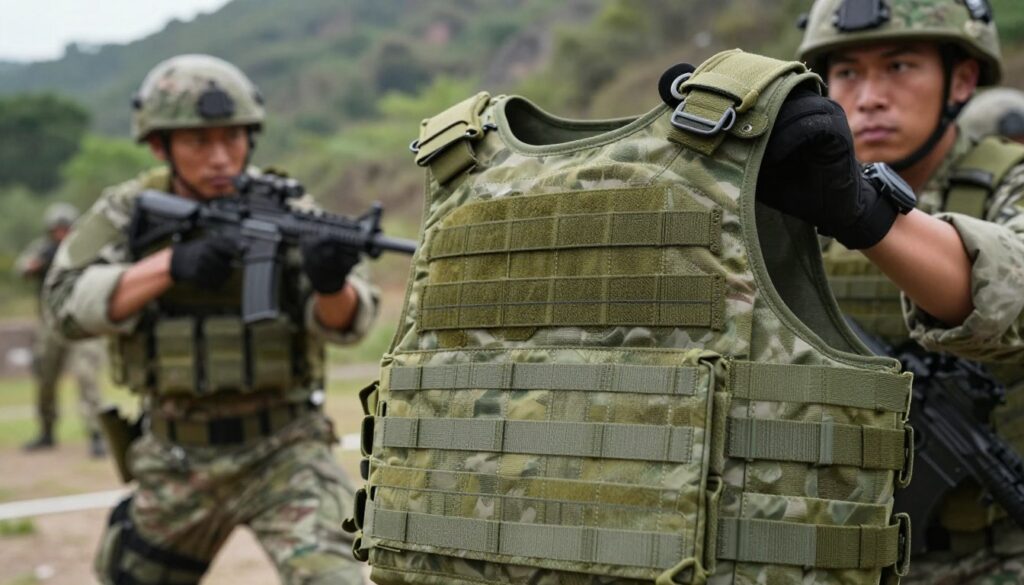
One of the most critical applications of UHMWPE fabric is in body armor. Its high tensile strength and low weight make it an ideal material for ballistic vests and plates that provide protection against various threats, from handgun rounds to rifle bullets. The use of UHMWPE in body armor has significantly reduced the weight burden on military personnel, enhancing their mobility and comfort during operations.
Key benefits of UHMWPE in body armor include:
- Exceptional ballistic protection
- Lightweight, enhancing wearer mobility
- Flexibility, allowing for a range of motion
Vehicle and Aircraft Armor Systems
UHMWPE fabric is also utilized in the armor systems of military vehicles and aircraft. By integrating UHMWPE into composite armor solutions, manufacturers can achieve significant reductions in weight while maintaining or even enhancing protection levels. This is particularly crucial for aircraft, where weight savings directly translate to improved fuel efficiency and operational range.
Tactical Gear and Equipment
Beyond body armor and vehicle armor, UHMWPE fabric is incorporated into various tactical gear and equipment, such as helmets, gloves, and backpacks. Its cut resistance and durability make it an excellent choice for components that are subject to heavy use and potential abrasion.
Case Studies in Combat Environments
Numerous case studies have demonstrated the effectiveness of UHMWPE fabric in real-world combat scenarios. For instance, military units equipped with UHMWPE body armor have reported reduced casualties and improved survivability in high-threat environments. These practical applications underscore the material’s value in modern military operations.
Law Enforcement and Security Uses
The use of UHMWPE fabric in law enforcement equipment has revolutionized the way officers stay protected on duty. This advanced material is being integrated into various protective gear and equipment, enhancing the safety and effectiveness of law enforcement personnel.
Stab-Resistant Vests and Shields
One of the critical applications of UHMWPE fabric is in the manufacture of stab-resistant vests and shields. These products provide law enforcement officers with lightweight, yet highly effective protection against stab and slash threats. The high strength-to-weight ratio of UHMWPE fabric makes it an ideal material for these life-saving garments.
Riot Control Equipment
UHMWPE fabric is also used in riot control equipment, such as shields and protective clothing. Its durability and resistance to abrasion and puncture make it suitable for withstanding the rigors of riot control situations. Law enforcement agencies rely on this equipment to maintain order while ensuring officer safety.
Covert Protection Solutions
For covert operations, UHMWPE fabric is utilized in creating discreet, wearable protection. This includes covert vests that can be worn under clothing, providing protection without compromising the officer’s ability to operate stealthily. The flexibility and comfort of UHMWPE fabric make it suitable for these applications.
| Application | Benefits |
|---|---|
| Stab-Resistant Vests | Lightweight, high protection against stab threats |
| Riot Control Equipment | Durable, resistant to abrasion and puncture |
| Covert Protection | Discreet, wearable, and comfortable |
As law enforcement continues to evolve, the role of UHMWPE fabric in enhancing officer safety and effectiveness is expected to grow. Its versatility and protective capabilities make it a valuable material in the development of future law enforcement gear.
Industrial and Safety Applications
The versatility of UHMWPE fabric makes it an ideal material for various industrial and safety applications. Its unique combination of strength, durability, and lightweight properties opens up a wide range of uses in different sectors.
Cut-Resistant Gloves and Apparel
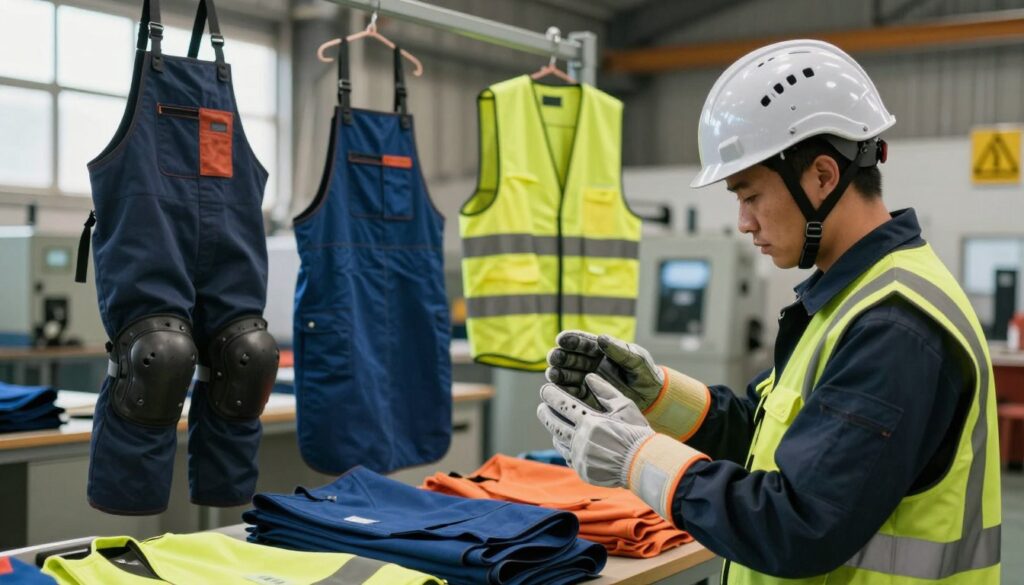
One of the significant applications of UHMWPE fabric is in the production of cut-resistant gloves and apparel. These products are designed to protect workers from cuts and lacerations in industries such as manufacturing, construction, and handling sharp materials. The fabric’s high resistance to cuts and abrasions makes it an essential component in enhancing workplace safety.
High-Performance Ropes and Cables
UHMWPE fabric is also used in the manufacture of high-performance ropes and cables. These products benefit from the material’s exceptional strength-to-weight ratio, making them ideal for applications where high strength and low weight are critical. Such ropes and cables are used in various industries, including maritime, construction, and heavy lifting operations.
Impact Protection in Construction and Manufacturing
In construction and manufacturing, impact protection is crucial for safeguarding workers from potential hazards. UHMWPE fabric is integrated into protective gear such as helmets, knee pads, and elbow pads to provide effective impact resistance. This application is vital in reducing the risk of injuries on the job site.
Workplace Safety Standards Compliance
The use of UHMWPE fabric in industrial safety applications also ensures compliance with workplace safety standards. Manufacturers and employers can rely on UHMWPE-based products to meet regulatory requirements, thereby ensuring a safer working environment for their employees. Compliance with these standards is not only a legal necessity but also a moral obligation to protect workers’ well-being.
UHMWPE Fabric in Sports and Recreation
In the realm of sports and recreation, UHMWPE fabric stands out for its exceptional strength and resistance to various forms of damage. This advanced material is being increasingly adopted in various applications where protection, durability, and performance are paramount.
Protective Sports Gear and Equipment
UHMWPE fabric is being used to manufacture high-performance sports gear, including protective padding for contact sports and lightweight, cut-resistant clothing for athletes. Its high strength-to-weight ratio ensures that athletes can move freely without being encumbered by bulky protective gear.
Outdoor and Adventure Applications
For outdoor enthusiasts, UHMWPE fabric offers enhanced protection against the elements and potential hazards. It is used in clothing and gear for hiking, climbing, and other adventure sports, providing resistance to abrasion and cuts while maintaining comfort and flexibility.
Marine and Water Sports Uses
In marine and water sports, UHMWPE fabric is valued for its resistance to water and UV degradation. It is used in the manufacture of sails, ropes, and protective gear for water sports, enhancing both performance and safety.
Overall, UHMWPE fabric is setting a new standard in sports and recreation by offering unparalleled protection, durability, and performance. Its versatility and benefits make it an ideal choice for a wide range of applications, from competitive sports to outdoor adventures.
Comparing UHMWPE to Other Protective Materials
UHMWPE fabric has emerged as a leading material in protective textiles, but how does it compare to alternatives? As the demand for high-performance protective gear increases across various industries, understanding the strengths and weaknesses of different materials becomes crucial.
UHMWPE vs. Aramid Fibers (Kevlar)
Aramid fibers, commonly known by the brand name Kevlar, have long been the standard in ballistic protection. However, UHMWPE fabric offers several advantages, including lighter weight and greater flexibility. While Kevlar is known for its heat resistance, UHMWPE provides superior ballistic performance at a lower weight.
- UHMWPE is generally more resistant to abrasion.
- Kevlar has better heat resistance.
- UHMWPE is more flexible, enhancing wearer comfort.
UHMWPE vs. Carbon Fiber Composites
Carbon fiber composites are renowned for their stiffness and strength, making them ideal for certain applications. However, when it comes to protective textiles, UHMWPE’s flexibility and impact resistance give it an edge. Carbon fiber, while strong, can be brittle and prone to cracking under impact.
UHMWPE vs. Traditional Protective Materials
Traditional materials like steel and rubber have their places in protective gear, but they often fall short in terms of weight and flexibility. UHMWPE fabric combines the protective benefits of these materials with the added advantages of being lightweight and flexible.
Cost-Benefit Analysis Across Applications
When considering the cost-benefit analysis, UHMWPE fabric often emerges as a cost-effective solution in the long run, despite potentially higher upfront costs. Its durability and resistance to wear and tear reduce the need for frequent replacements.
Care, Maintenance, and Longevity of UHMWPE Products
Proper care and maintenance are crucial for maximizing the lifespan of UHMWPE products. To ensure these products continue to provide optimal protection, it’s essential to follow specific care guidelines.
Proper Cleaning and Storage Methods
Cleaning UHMWPE products should be done gently to avoid damaging the material. Avoid using harsh chemicals or abrasive cleaners, as they can degrade the fabric. Instead, use mild soap and lukewarm water. For storage, keep UHMWPE products in a cool, dry place away from direct sunlight.
Extending Product Lifespan
Regular inspection of UHMWPE products is vital for identifying signs of wear early. By addressing issues promptly, you can extend the product’s lifespan. Proper handling and use also play a significant role in maintaining the product’s integrity.
| Care Method | Benefit |
|---|---|
| Gentle Cleaning | Prevents Material Degradation |
| Proper Storage | Reduces Exposure to Damaging Elements |
| Regular Inspection | Early Detection of Wear and Tear |
Signs of Wear and Replacement Guidelines
Understanding when to replace UHMWPE products is crucial for maintaining protection. Look for signs such as fraying, significant discoloration, or a noticeable decrease in performance.
“Regular maintenance can significantly extend the life of UHMWPE products, but knowing when to replace them is key to ensuring continued safety.”
If you observe any of these signs, it’s time to consider replacing the product.
Innovations and Future Developments in UHMWPE Technology
The future of protective textiles is being shaped by cutting-edge developments in UHMWPE technology. As researchers and manufacturers continue to push the boundaries of what is possible with this versatile material, we are seeing a new generation of products that offer enhanced performance, durability, and comfort.
Recent Technological Breakthroughs
Recent years have witnessed significant technological breakthroughs in UHMWPE fabric production. One of the most notable advancements is the improvement in gel spinning technology, which has enabled the creation of fibers with even higher molecular weights and improved crystallinity. This has resulted in UHMWPE materials that are stronger, more resistant to abrasion, and more durable than ever before.
Enhanced Manufacturing Techniques have also played a crucial role in advancing UHMWPE technology. Innovations such as multi-stage processing and advanced fiber alignment techniques have improved the consistency and quality of UHMWPE fabrics. These advancements have made it possible to produce UHMWPE materials with tailored properties for specific applications, further expanding their potential uses.
Emerging Applications and Industries
UHMWPE fabric is finding new applications across various industries, driven by its unique combination of properties. In the medical field, UHMWPE is being explored for use in implants and surgical meshes due to its biocompatibility and durability. The aerospace industry is also leveraging UHMWPE for lightweight, high-strength components.
| Industry | Application | Benefits |
|---|---|---|
| Medical | Implants, Surgical Meshes | Biocompatibility, Durability |
| Aerospace | Lightweight Components | High Strength-to-Weight Ratio |
| Sports | Protective Gear | Enhanced Safety, Comfort |
Research Trends and Patent Developments
The ongoing research into UHMWPE technology is yielding promising results, with several trends emerging. There’s a growing focus on developing sustainable production methods and improving the recyclability of UHMWPE materials. Additionally, researchers are exploring the potential of combining UHMWPE with other materials to create hybrid composites with enhanced properties.
As these innovations continue to unfold, we can expect to see UHMWPE technology playing an increasingly important role in various sectors, from protective gear and industrial applications to medical devices and beyond.
Conclusion: The Expanding Role of UHMWPE in Protective Solutions
UHMWPE fabric has established itself as a leading material in protective textiles, offering unparalleled strength, durability, and versatility. As discussed, its applications span various industries, from military and law enforcement to industrial safety and sports equipment.
The exceptional properties of UHMWPE fabric make it an ideal choice for protective solutions, enhancing safety and performance. Its use in body armor, cut-resistant gloves, and high-performance ropes underscores its value in critical applications.
As research and development continue to advance UHMWPE technology, we can expect to see even more innovative uses for this remarkable material. The expanding role of UHMWPE fabric in protective solutions is set to drive further improvements in safety and performance across multiple sectors.
FAQ
What does UHMWPE stand for?
UHMWPE stands for Ultra-High-Molecular-Weight Polyethylene, a type of polyethylene with a very high molecular weight, making it extremely durable and resistant to various forms of damage.
What are the key properties of UHMWPE fabric?
UHMWPE fabric is known for its exceptional strength-to-weight ratio, cut, puncture, and abrasion resistance, as well as its chemical and UV resistance, making it an ideal material for protective applications.
How is UHMWPE fabric manufactured?
UHMWPE fabric is manufactured using a gel spinning process, which involves dissolving the UHMWPE powder in a solvent and then extruding it through a spinneret to create fibers, which are then woven or knitted into fabric.
What are the applications of UHMWPE fabric?
UHMWPE fabric is used in various applications, including military and defense, law enforcement and security, industrial and safety, sports and recreation, and other areas where protection and durability are crucial.
How does UHMWPE compare to other protective materials?
UHMWPE is compared to other protective materials like aramid fibers (Kevlar) and carbon fiber composites, with its advantages including higher strength-to-weight ratio, improved cut and puncture resistance, and better chemical resistance.
How do I care for and maintain UHMWPE products?
To care for and maintain UHMWPE products, follow proper cleaning and storage methods, avoid exposure to harsh chemicals, and inspect products regularly for signs of wear, replacing them as needed.
What are the future developments in UHMWPE technology?
Future developments in UHMWPE technology include recent technological breakthroughs, emerging applications, and ongoing research trends, which are expected to further enhance the performance and expand the use of UHMWPE fabric in various industries.
Is UHMWPE fabric recyclable?
UHMWPE fabric can be recyclable, depending on the specific manufacturing process and the type of UHMWPE used, and some manufacturers are exploring recycling options for UHMWPE products.
Can UHMWPE fabric be used in extreme temperatures?
UHMWPE fabric can be used in a wide range of temperatures, but its performance may be affected by extreme temperatures, and it’s essential to check the specific product’s temperature resistance before use.

Keep up with Impact news!
Stay informed, stay inspired with our new blogs.