Electric Vehicle Platforms Driving Resin Formulation Innovation
-
Table of Contents
“Powering the Future: Electric Vehicle Platforms Fueling Breakthroughs in Resin Formulation.”
The rise of electric vehicles (EVs) is significantly transforming the automotive landscape, prompting a shift in materials and manufacturing processes. Central to this evolution is the development of advanced resin formulations that cater to the unique requirements of EV platforms. These innovations are driven by the need for lightweight, durable, and efficient materials that enhance vehicle performance, safety, and sustainability. As automakers strive to improve energy efficiency and reduce emissions, the demand for high-performance resins that can withstand the rigors of electric drivetrains and battery systems is becoming increasingly critical. This introduction explores how the burgeoning electric vehicle market is catalyzing advancements in resin technology, leading to novel formulations that support the next generation of sustainable transportation solutions.
Advancements in Resin Formulation for Electric Vehicle Battery Enclosures
The rapid evolution of electric vehicles (EVs) has necessitated significant advancements in various components, particularly in the realm of battery enclosures. As the demand for lightweight, durable, and efficient materials grows, resin formulation has emerged as a critical area of innovation. This is primarily driven by the need to enhance the performance and safety of battery systems while simultaneously reducing overall vehicle weight. Consequently, manufacturers are increasingly focusing on developing advanced resin formulations that can meet the unique requirements of electric vehicle battery enclosures.
One of the primary challenges in designing battery enclosures for electric vehicles is ensuring thermal management. Lithium-ion batteries, which are commonly used in EVs, generate heat during operation. Therefore, the materials used in battery enclosures must possess excellent thermal stability and conductivity. Recent advancements in resin formulations have led to the development of thermally conductive resins that can effectively dissipate heat, thereby enhancing battery performance and longevity. These innovative materials not only improve thermal management but also contribute to the overall structural integrity of the battery enclosure, ensuring that it can withstand the rigors of daily use.
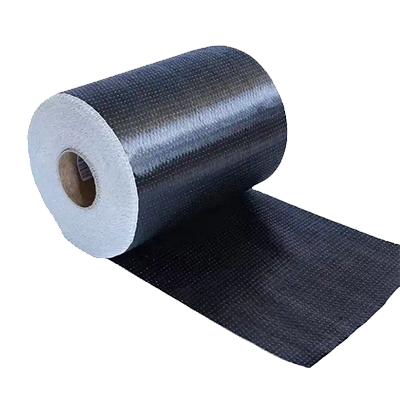
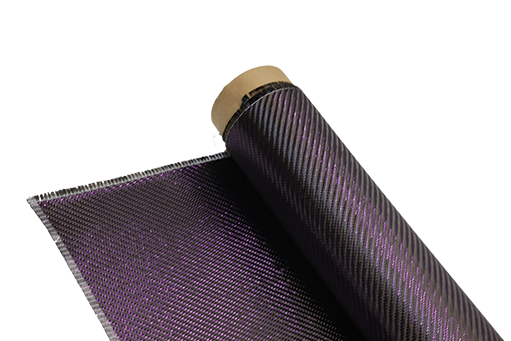
In addition to thermal properties, the mechanical strength of battery enclosures is paramount. Electric vehicles are subject to various stresses, including vibrations and impacts, which can compromise the integrity of the battery system. To address this concern, researchers and manufacturers have been exploring the incorporation of reinforcing agents into resin formulations. By integrating materials such as carbon fibers or glass fibers, the mechanical properties of the resin can be significantly enhanced. This results in battery enclosures that are not only lightweight but also exhibit superior strength and durability, thereby ensuring the safety of the battery system under various operating conditions.
Moreover, the chemical resistance of battery enclosures is another critical factor that influences resin formulation. Electric vehicle batteries are often exposed to a range of chemicals, including electrolytes and environmental contaminants. Therefore, developing resins that can withstand these harsh conditions is essential. Recent innovations have led to the creation of chemically resistant resins that maintain their structural integrity and performance even when exposed to aggressive substances. This advancement not only prolongs the lifespan of the battery enclosure but also enhances the overall reliability of the electric vehicle.
Furthermore, sustainability has become a focal point in the development of resin formulations for electric vehicle applications. As the automotive industry shifts towards more environmentally friendly practices, there is a growing emphasis on using bio-based and recyclable materials in resin formulations. This shift not only reduces the carbon footprint associated with the production of battery enclosures but also aligns with the broader goals of sustainability within the electric vehicle sector. By prioritizing eco-friendly materials, manufacturers can contribute to a circular economy while still meeting the performance demands of modern electric vehicles.
In conclusion, the advancements in resin formulation for electric vehicle battery enclosures are pivotal in addressing the unique challenges posed by this rapidly evolving industry. Through innovations in thermal management, mechanical strength, chemical resistance, and sustainability, manufacturers are developing materials that not only enhance the performance and safety of electric vehicles but also align with the growing demand for environmentally responsible solutions. As the electric vehicle market continues to expand, the ongoing research and development in resin formulations will undoubtedly play a crucial role in shaping the future of battery technology and, by extension, the automotive industry as a whole.
The Role of Lightweight Resins in Electric Vehicle Platform Design
The automotive industry is undergoing a significant transformation, particularly with the rise of electric vehicles (EVs). As manufacturers strive to enhance the efficiency and performance of these vehicles, the design of electric vehicle platforms has become a focal point of innovation. One of the critical elements in this design process is the use of lightweight resins, which play a pivotal role in improving the overall performance and sustainability of electric vehicles. By reducing the weight of the vehicle, these advanced materials contribute to increased range, better handling, and improved energy efficiency, all of which are essential for the success of EVs in a competitive market.
Lightweight resins, such as thermoplastics and thermosetting polymers, are increasingly being integrated into various components of electric vehicle platforms. These materials offer a unique combination of strength, durability, and low weight, making them ideal for applications in structural components, interior parts, and even battery enclosures. As manufacturers seek to optimize the design of EV platforms, the demand for innovative resin formulations has surged. This demand is driven by the need to meet stringent performance criteria while also adhering to environmental regulations and sustainability goals.
Moreover, the development of lightweight resins is closely linked to advancements in manufacturing processes. Techniques such as injection molding and 3D printing have enabled the production of complex geometries that were previously unattainable with traditional materials. This flexibility allows engineers to design components that not only meet functional requirements but also contribute to the overall aesthetic appeal of the vehicle. As a result, the integration of lightweight resins into electric vehicle platforms is not merely a matter of performance; it also enhances the visual and tactile experience for consumers.
In addition to performance and aesthetics, the environmental impact of materials used in electric vehicle platforms is a growing concern. Lightweight resins can be formulated to be more sustainable, incorporating bio-based materials and recyclable components. This shift towards greener materials aligns with the broader industry trend of reducing the carbon footprint of automotive manufacturing. By utilizing resins that are both lightweight and environmentally friendly, manufacturers can create electric vehicles that appeal to eco-conscious consumers while also meeting regulatory requirements.
Furthermore, the ongoing research and development in resin formulation are paving the way for even more innovative solutions. Scientists and engineers are exploring new additives and composite materials that can enhance the properties of resins, such as improved thermal stability, impact resistance, and fire retardancy. These advancements not only improve the safety and longevity of electric vehicle components but also open up new possibilities for design and functionality. As the industry continues to evolve, the role of lightweight resins in electric vehicle platform design will undoubtedly expand, leading to the creation of vehicles that are not only more efficient but also safer and more appealing to consumers.
In conclusion, lightweight resins are at the forefront of electric vehicle platform design, driving innovation and sustainability in the automotive sector. Their ability to reduce weight while maintaining strength and durability makes them indispensable in the quest for more efficient electric vehicles. As manufacturers continue to explore new formulations and manufacturing techniques, the potential for lightweight resins to transform the electric vehicle landscape is immense. This ongoing evolution will not only enhance the performance of electric vehicles but also contribute to a more sustainable future for the automotive industry.
Sustainable Resin Solutions for Electric Vehicle Manufacturing
The rapid growth of the electric vehicle (EV) market has catalyzed significant advancements in various aspects of automotive manufacturing, particularly in the realm of materials science. As manufacturers strive to meet the increasing demand for sustainable and efficient vehicles, the development of innovative resin formulations has emerged as a critical area of focus. These resins, which serve as essential components in the production of lightweight and durable vehicle parts, are being reimagined to align with the principles of sustainability and environmental responsibility.
One of the primary drivers of this innovation is the need to reduce the overall weight of electric vehicles. Lighter vehicles not only enhance energy efficiency but also extend the range of EVs, addressing one of the most significant concerns for potential buyers. Consequently, manufacturers are turning to advanced resin formulations that can provide the necessary strength and durability while minimizing weight. For instance, thermosetting and thermoplastic resins are being engineered to offer superior mechanical properties, enabling the production of components that can withstand the rigors of daily use without compromising performance.
Moreover, the push for sustainability has led to the exploration of bio-based resins derived from renewable resources. These materials not only reduce reliance on fossil fuels but also contribute to a lower carbon footprint throughout the vehicle’s lifecycle. By incorporating plant-based materials into resin formulations, manufacturers can create composites that are both environmentally friendly and high-performing. This shift towards bio-based resins is not merely a trend; it represents a fundamental change in how the automotive industry approaches material sourcing and production processes.
In addition to weight reduction and sustainability, the integration of advanced resin formulations into electric vehicle manufacturing also addresses the need for improved safety features. As EVs often incorporate high-voltage systems, the materials used must exhibit excellent electrical insulation properties. Innovative resin formulations are being developed to meet these stringent requirements, ensuring that components such as battery housings and electrical enclosures provide optimal protection against electrical hazards. This focus on safety is paramount, as it not only safeguards the vehicle’s occupants but also enhances consumer confidence in electric vehicle technology.
Furthermore, the versatility of modern resin formulations allows for greater design freedom, enabling manufacturers to create complex geometries that were previously unattainable with traditional materials. This capability is particularly beneficial in the context of electric vehicles, where aerodynamics play a crucial role in efficiency. By utilizing advanced resins, designers can produce streamlined components that contribute to improved airflow and reduced drag, ultimately enhancing the vehicle’s performance.
As the electric vehicle market continues to evolve, the collaboration between resin manufacturers and automotive producers is becoming increasingly vital. This partnership fosters a continuous feedback loop, where insights from the automotive sector inform the development of new resin technologies, while advancements in resin formulations enable the automotive industry to push the boundaries of design and performance. Such synergy not only accelerates innovation but also ensures that the materials used in electric vehicles are aligned with the overarching goals of sustainability and efficiency.
In conclusion, the evolution of resin formulations in the context of electric vehicle manufacturing represents a significant step forward in the quest for sustainable automotive solutions. By prioritizing lightweight materials, bio-based options, safety, and design flexibility, the industry is not only addressing current challenges but also paving the way for a more sustainable future. As electric vehicles become increasingly mainstream, the innovations in resin technology will undoubtedly play a pivotal role in shaping the next generation of automotive design and manufacturing.
Q&A
1. **Question:** How are electric vehicle platforms influencing resin formulation innovation?
**Answer:** Electric vehicle platforms require lightweight, durable materials for improved efficiency and range, driving innovation in resin formulations to enhance properties like thermal stability, impact resistance, and weight reduction.
2. **Question:** What specific resin types are being developed for electric vehicle applications?
**Answer:** Innovations include high-performance thermosetting resins, such as epoxy and polyurethane, as well as thermoplastics like polyamide and polycarbonate, which are tailored for battery enclosures, structural components, and interior parts.
3. **Question:** What role does sustainability play in resin formulation for electric vehicles?
**Answer:** Sustainability is a key focus, leading to the development of bio-based resins and recyclable materials that reduce the environmental impact of electric vehicles while maintaining performance standards required for automotive applications.Electric vehicle platforms are significantly driving innovation in resin formulations by necessitating materials that offer enhanced performance, durability, and sustainability. The demand for lightweight, high-strength composites in EV manufacturing has led to the development of advanced resins that improve energy efficiency and reduce overall vehicle weight. Additionally, the push for eco-friendly solutions has accelerated the creation of bio-based and recyclable resin options, aligning with the automotive industry’s shift towards sustainability. As electric vehicle technology continues to evolve, the ongoing collaboration between automotive manufacturers and material scientists will likely yield further advancements in resin formulations, ultimately contributing to the broader goals of efficiency, performance, and environmental responsibility in the automotive sector.

Keep up with Impact news!
Stay informed, stay inspired with our new blogs.